
Key takeaways
- Beachfront living in NYC is worth it if you value ocean access and a slower pace more than a quick commute or having everything nearby.
- The biggest trade-offs are the cost of flood insurance and property wear, quieter winters, and fewer shopping and dining options.
- Subway and ferry access make the difference between a beach neighborhood that works for a Manhattan commute and one that doesn’t.
- Rockaway Beach, Coney Island, Brighton Beach, Manhattan Beach, and Breezy Point each offer a different version of coastal living, from surf culture to suburban quiet.
- Rockaway is one of the few NYC beach neighborhoods where full-time, car-free living is realistic thanks to the A train and NYC Ferry.
Life on the water in New York City
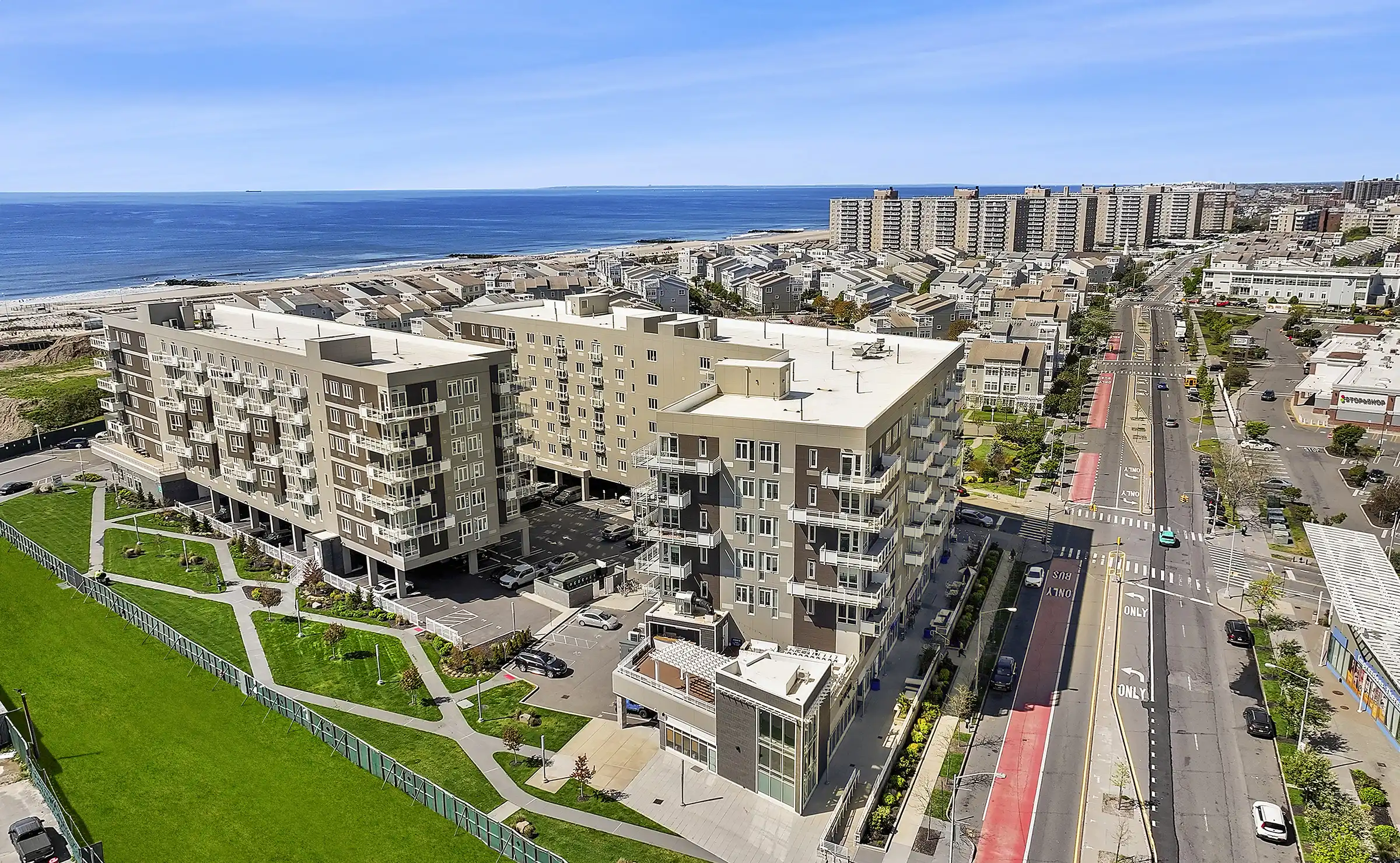
New York isn’t the first place people think of when they picture beach living, but the city has more coastline than most people realize, and a small but loyal group of neighborhoods have built real communities around it. If you’re wondering whether it’s worth living beachfront in New York City, the honest answer is that it depends on what you’re willing to give up. Living beachfront is worth it if you value a slower, community-driven coastal lifestyle more than a fast commute or easy access to shopping and nightlife. Neighborhoods like Rockaway Beach in Queens or Brighton Beach and Manhattan Beach in Brooklyn offer real ocean access and, in most cases, lower prices than Manhattan, but that comes with longer travel times and a quieter pace once the season ends. This guide walks through what makes coastal living good, where it gets hard, and which neighborhoods fit different kinds of buyers and renters.
What you gain by living near the beach
People keep choosing to live near the water despite the trade-offs for a reason. Here’s what tends to draw them in:
- Daily ocean access. You’re steps from the sand, the surf, and boardwalk walks, not waiting for a weekend trip to feel it.
- Distinct neighborhood character. Each coastal pocket has its own identity, whether that’s Rockaway’s surf culture or Brighton Beach’s food scene rooted in its Eastern European community.
- The NYC Ferry. In places like the Rockaways, the ferry gives you a scenic, low-stress way to get to Brooklyn and Lower Manhattan without dealing with subway transfers.
- More space for your money. Beachfront neighborhoods often give you more square footage than a comparable apartment closer to the city center.
That combination of ocean access, neighborhood character, and extra square footage is what keeps people from trading it back for a shorter commute.
What you give up by living near the beach
None of this comes without a cost. Before you get too attached to the idea, it’s worth sitting with the harder parts too:
- Hidden costs. Flood insurance is often mandatory, or at least expensive, in coastal zones, and salt air genuinely speeds up wear and tear on a property.
- Winter isolation. Once the beach shacks close for the season, these neighborhoods can feel quiet, windy, and a little empty.
- Fewer amenities nearby. Shopping, dining, and general commercial options tend to be more limited than what you’d find in a denser, more central part of the city.
- Longer commutes. A lot of beach neighborhoods sit at the literal edge of the city, which can push a trip to Midtown or Downtown to an hour or more each way.
None of these are dealbreakers on their own, but they add up, and they’re worth weighing honestly against what you’re gaining.
Transit and commuting from the coast
One of the biggest questions people have is whether you can live by the beach in NYC and still commute to Manhattan. The answer is yes, but it depends almost entirely on transit. Beach neighborhoods with direct subway or ferry service make a car-free commute realistic, while those without that access turn a daily commute into a real chore. If you’re weighing whether you should move to the Rockaways while working in Manhattan, the answer often comes down to which specific building or block you’re looking at, since access can vary a lot within the same neighborhood.
Realistically, commute times from far-flung beach neighborhoods to Midtown or Downtown can run anywhere from 45 minutes to over an hour, so the decision usually boils down to how much of that time you’re willing to trade for ocean views and a slower pace at home. This is also why a newer wave of beachfront development has started building directly around subway and ferry stops instead of near them. Beachfront apartments in NYC with subway access are still rare, but a handful of buildings in Arverne, Queens, are designed specifically around that problem, putting an A train stop steps from the front door instead of a bus ride away.
Where to live near the water in NYC
If you’re looking for the best places to live near the beach in NYC, here’s where people tend to land, depending on what they’re prioritizing.
1. Rockaway Beach, Queens
Rockaway is known for its year-round surf culture and its A train and NYC Ferry access, which makes it one of the more realistic options if you want daily ocean access without fully giving up a Manhattan commute.
2. Coney Island, Brooklyn
Coney Island is the most historically recognizable beach neighborhood in the city, with a boardwalk-driven, working-class character. It’s generally the most affordable of the bunch, which makes it a strong option if price matters more to you than polish.
3. Brighton Beach and Manhattan Beach, Brooklyn
Brighton Beach has a strong Eastern European community where the beach functions as a daily amenity rather than the main draw. Manhattan Beach, just next door, offers a quieter, more suburban, family-friendly feel.
4. Breezy Point, Queens
Breezy Point is a private, cooperative beach community with a distinctly suburban character. It suits people who want exclusivity and don’t mind the added layer of co-op governance that comes with it.
Year-round life in Rockaway
Of all the options above, Rockaway comes up the most, so it’s worth asking directly: is Rockaway a good place to live full-time? For a lot of people, yes, but it helps to understand the seasonal rhythm first. Rockaway shifts from a quiet, mostly residential neighborhood in the winter to a much busier one once Memorial Day weekend hits and summer crowds arrive. Year-round residents generally learn to live with that shift rather than fight it, treating the summer influx as part of the deal rather than an intrusion.
What sets Rockaway apart from other NYC beach neighborhoods is subway and ferry access, which makes full-time, car-free living far more realistic than it is in a place like Breezy Point. In fact, it’s one of the only spots in the city where you can genuinely live by the beach in NYC without a car and still get to work reliably. The people who tend to do well there are the ones who see summer crowds as energy rather than disruption, and who care more about having the ocean nearby than having a perfectly consistent neighborhood all year.
Common questions about beachfront living in NYC
Is $40,000 enough to live in New York? It’s tight, but beachfront neighborhoods like Coney Island and parts of Rockaway tend to be more affordable entry points than Manhattan, which can make a modest income stretch further.
What is the nicest part of Manhattan to live in? That’s really a separate question from beachfront living, since Manhattan has no true beach access. If ocean proximity matters to you, you’re generally better off looking at the outer boroughs.
Can I live in NYC on $3,000 a month? In a lot of beachfront rental buildings, yes. Studio pricing in coastal neighborhoods like Arverne often starts right around that number, which is notably lower than what you’d pay for similar space closer to the city center.
Does it make sense to buy a condo in NYC? It can, especially when tax abatements are involved. Some oceanfront developments offer special tax abatements for owner-occupants, which changes the math enough to make ownership worth a serious look.
Finding the right beachfront home in the Rockaways
If beachfront living still sounds like the right move, and transit access is high on your list, Arverne by the Sea in the Rockaways is built around solving for exactly that.
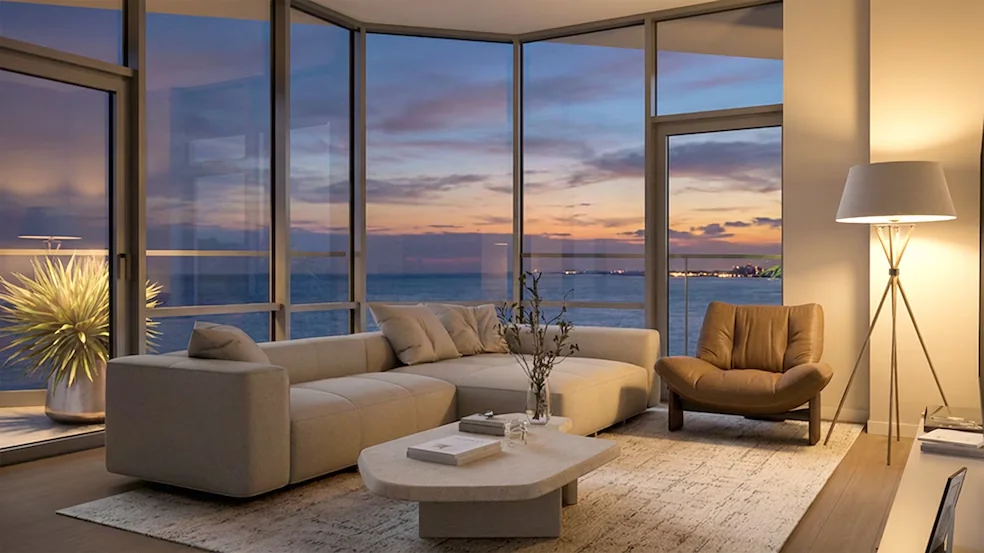
For buyers who want true ownership, Lighthouse offers oceanfront condominiums with walls of glass facing the Atlantic, designed by Ismael Leyva Architects. Owner-occupants benefit from a special tax abatement, and the building has its own 24/7 A train stop at Beach 67th Street, one of the only oceanfront buildings in the city with a subway station built into the address. NYC Ferry access is nearby, and JFK is just 11 miles away. Surfers already gather at Locals Collective and Breakwater Surf Co., both steps from the building. A children’s playroom signals a community built for putting down roots. It’s a rare setup in New York: real oceanfront ownership that doesn’t require giving up a reasonable commute into the city. Lighthouse is built by Beechwood, which has delivered more than 10,000 homes since 1985.
If you’re not ready to buy, The Tides offers beachfront rentals ranging from studios to three-bedroom apartments, starting at $2,900 a month. The A train sits directly across the street, making it one of the more subway-accessible beachfront rental options in NYC. JFK is just minutes away too. The building is stocked with amenities built around the lifestyle, including a rooftop pool, surfboard and bike storage, a game room, a screening room, and a fireplace lounge. Shared workspaces with ocean views round out the lineup. Locals Collective, the neighborhood’s surfer gathering spot, is already just steps away.
Between the two, Lighthouse and The Tides solve the same tension. Both offer genuine oceanfront living in New York without sacrificing a workable path back into Manhattan.
Ready to see it in person? Contact us to schedule a tour of The Tides and see what New York City beachfront living in the Rockaways actually feels like. We can’t wait to help bring your dream to life.