
A New Chapter Worth Thinking About
More and more people are finding themselves in a familiar conversation lately. A friend mentions they just put a deposit down on a place in an active adult community. A neighbor is listing their house and heading somewhere smaller, warmer, and a lot less demanding. And somewhere in the back of your mind, you start wondering: is this something I should be thinking about too?
It is a question worth taking seriously. The pros and cons of a 55+ community are not always obvious from the outside, and what sounds appealing in theory can look very different once you dig into the details. These communities, also known as active adult communities, are age-restricted neighborhoods designed for residents aged 55 and older. They typically offer low-maintenance homes, shared amenities, and a ready-made social environment. For the right person, that combination is genuinely life-changing. For others, the tradeoffs are harder to swallow.
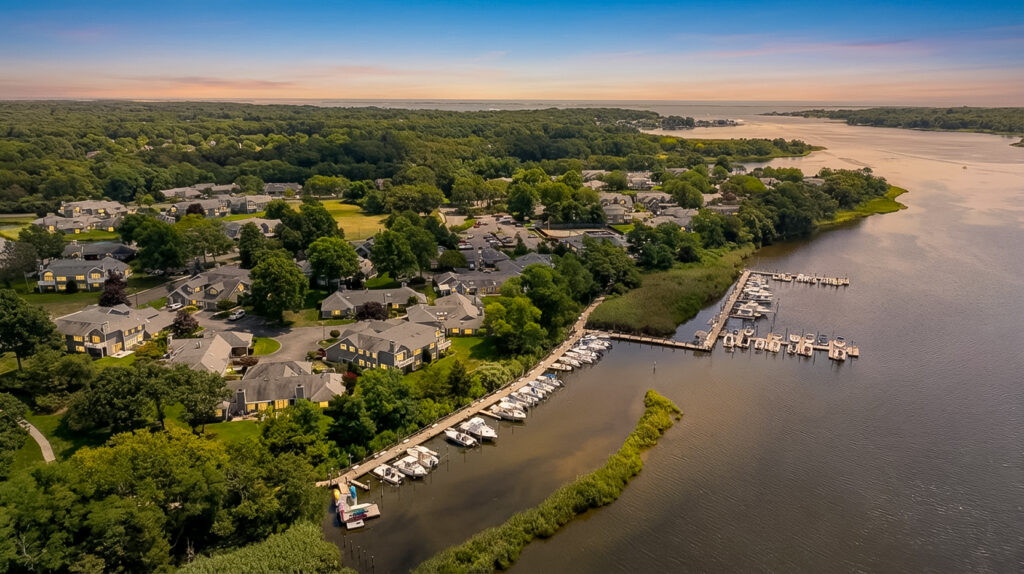
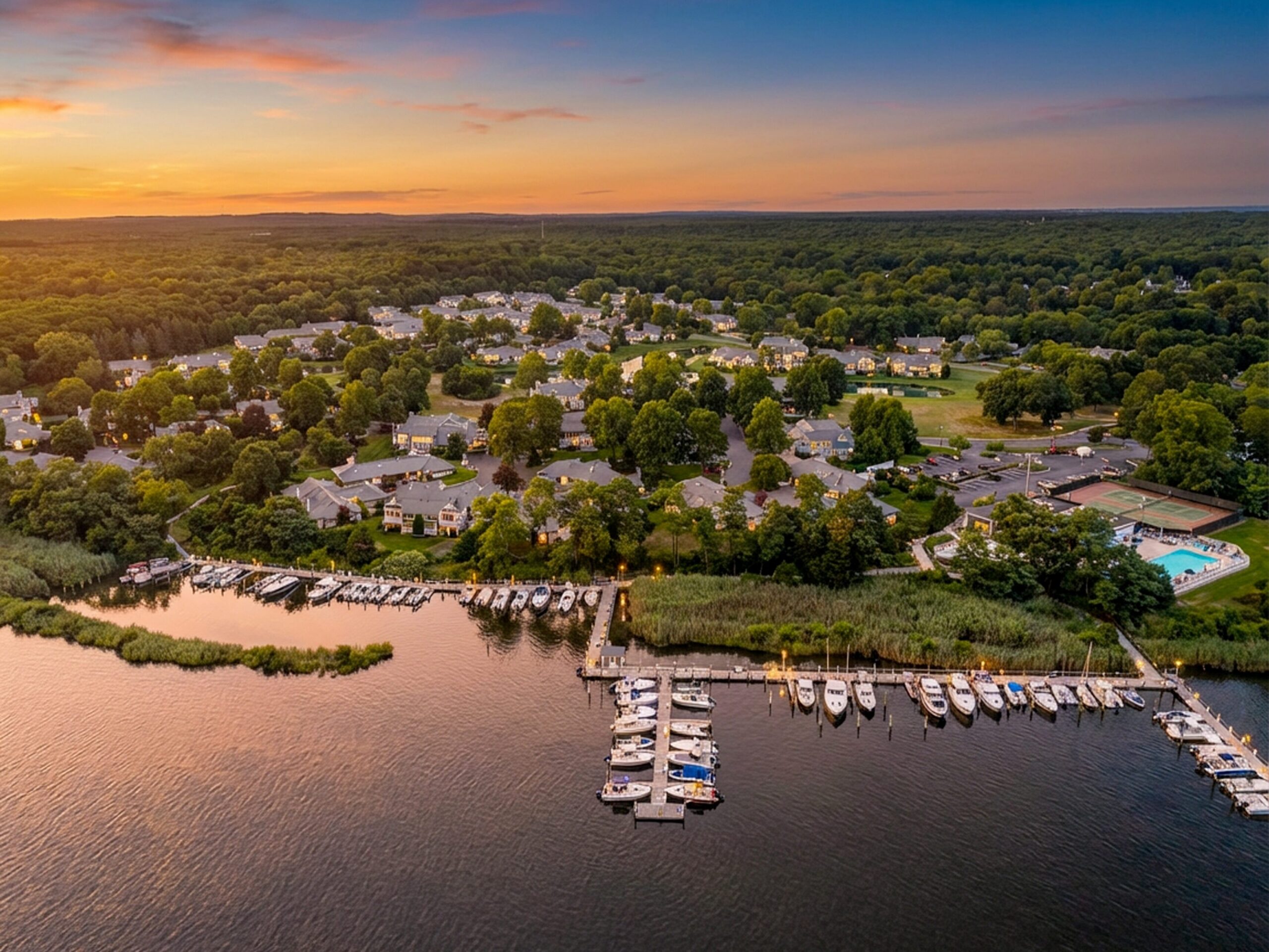
If you are in the early stages of researching your options, communities like Beechwood at The Waterways in Moriches, NY offer a useful real-world picture of what this lifestyle can look like: a gated waterfront community with new construction homes, resort-style amenities, and a private marina along the shores of Moriches Bay.
But before you fall in love with any specific community, it helps to understand the big picture of what you are signing up for in a 55+ community. That is exactly what this article is here to help with.
Key Takeaways
- 55+ communities offer low-maintenance living, resort-style amenities, and a socially active environment designed specifically for this stage of life.
- HOA fees, guest and pet restrictions, and strict community rules are among the most important considerations to weigh carefully.
- These communities are designed for independent, active adults and do not typically offer on-site medical or assisted living services.
- Homes in 55+ communities are often built with age-in-place features like single-story layouts and wider doorways, reducing the need for future renovations.
- Reviewing the HOA’s covenants, conditions, and restrictions (CC&Rs) before purchasing is one of the most important steps in the decision process.
The Pros of Living in a 55+ Community
For the right person, a 55+ community can feel like the lifestyle change they have been waiting for. Here is a closer look at what tends to make these communities so appealing.
- Low-Maintenance Living.
- HOA fees in most 55+ communities cover exterior landscaping, snow removal, roof repairs, and trash pickup, which means the chores that used to eat up your weekends are largely someone else’s responsibility now. For many residents, this alone is worth the monthly cost. More time for travel, hobbies, and the people you care about is a pretty compelling trade.
- An Active, Built-In Social Life.
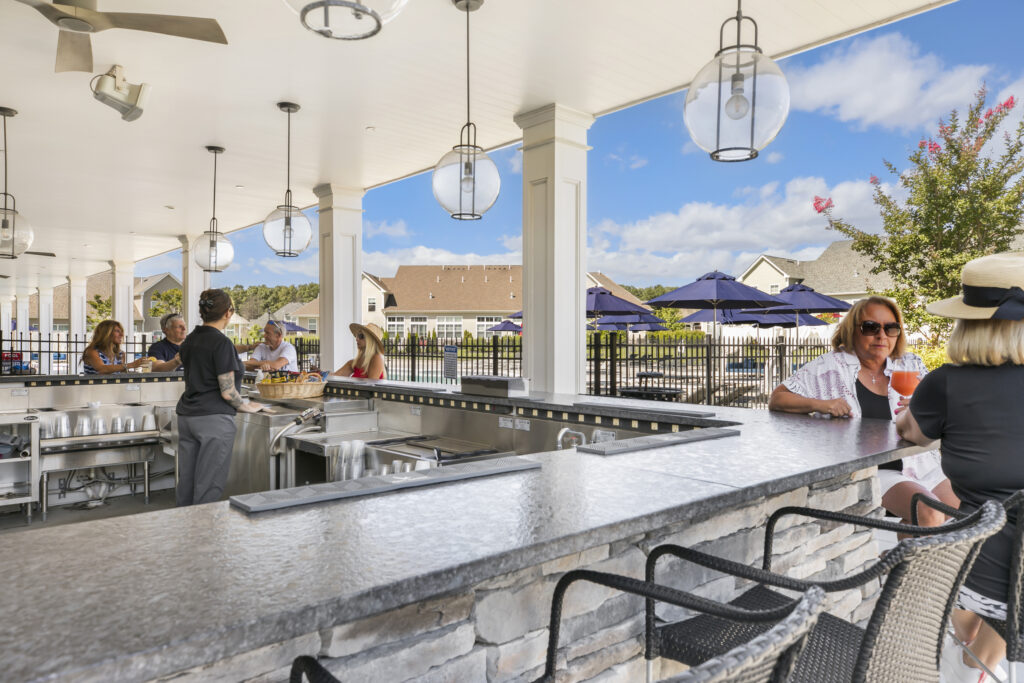
- These communities are intentionally designed to bring people together. Clubhouses, fitness centers, pickleball courts, gardening clubs, woodworking shops, and organized social calendars all make it genuinely easy to meet neighbors and build friendships. For anyone who is newly retired or relocating, that kind of built-in social infrastructure can make the transition feel a lot less daunting.
- Resort-Style Amenities.
- Pools, tennis courts, walking trails, and fitness centers that would cost a small fortune to maintain on your own often come standard in a well-designed 55+ community. It is the kind of access that used to require an expensive club membership, now included in where you live.
- A Quieter, More Secure Environment.
- Age restrictions tend to create calmer, quieter neighborhoods with less traffic and noise than a typical mixed-age street. Many communities also offer gated entrances or security patrols, which gives residents and their families an added layer of peace of mind.
- Homes Designed for This Stage of Life.
- New construction in 55+ communities is often built with age-in-place features in mind: single-story layouts, wider doorways, step-free entrances, and accessible bathrooms. These thoughtful design choices reduce the need for costly renovations later and mean the home can genuinely work for you long term.
- Potential Property Tax Benefits.
- In some areas, residents of 55+ communities may qualify for lower property taxes because they are not contributing to local school district funding. This varies by state and municipality, so it is worth researching what applies to any specific location you are considering.
Ready to See What
55+ Living Can Look Like?
Beechwood at The Waterways is a gated waterfront community on Long Island with new construction homes, resort-style amenities, and a private marina along Moriches Bay.
The Cons of Living in a 55+ Community
Below is a list of real considerations, but not necessarily dealbreakers. They are worth understanding clearly so you can decide whether the tradeoffs work for your life.
- HOA Fees.
- The convenience of maintenance-free living comes at a cost. HOA fees in 55+ communities can run several hundred dollars per month and tend to increase over time. Before purchasing, it is worth asking for the current fee amount, the history of increases, and a clear breakdown of what is and is not covered.
- Stricter Rules and Restrictions.
- HOAs in these communities often have detailed guidelines covering everything from how long grandchildren can visit, to parking rules, the number of pets you can have, and what changes you can make to the exterior of your home. The rules vary significantly from one community to the next, which is why reviewing the CC&Rs carefully before buying is so important.
- Limited Age Diversity.
- Living among peers who are in a similar stage of life can be deeply rewarding, but some people find that the absence of younger families and children makes the environment feel less dynamic over time. This is a personal preference worth honestly reflecting on, especially if you have always lived in mixed-age neighborhoods.
- No On-Site Medical Care.
- This is one of the most important distinctions to understand. 55+ communities are designed for active, independent adults. They are not the same as continuing care retirement communities (CCRCs) or assisted living facilities, and they do not provide medical care or daily living assistance. If health needs change significantly over time, residents may eventually need to relocate to a setting that can provide that support.
- Location Can Be a Factor.
- Some 55+ communities are situated in more suburban or rural settings, which can mean longer drives to specialized medical facilities, airports, or city amenities. This is worth evaluating honestly based on your lifestyle and how important proximity to certain services is to you day to day. For instance, to explore the location surrounding The Waterways, check out this article.
5 Things to Look for Before You Choose a 55+ Community
Choosing the right community comes down to doing a little homework upfront. Here is a practical checklist to help you feel prepared.
1. Read the CC&Rs Before Anything Else. The HOA’s covenants, conditions, and restrictions govern almost everything about daily life in the community, from guest policies to what color you can paint your front door. Surprises after the fact can be frustrating, so this document deserves careful attention, ideally with a real estate attorney before you sign anything.
2. Understand the Full Cost of Living. The purchase price is only part of the financial picture. HOA fees, special assessments, property taxes, and any community-specific costs should all be factored into a realistic monthly budget. Asking about the history of HOA fee increases is a smart way to understand what costs might look like five or ten years from now.
3. Visit in Person and Spend Time There. No website or brochure can replace an actual visit. Spending a few hours in the community, touring the amenities, and talking to current residents will give you a far more accurate sense of whether the culture and lifestyle are a good fit. Residents are usually the most honest source of information about what day-to-day life is really like.
4. Think About Long-Term Needs. The right community is one that works not just for today’s lifestyle but for the years ahead. Choosing a location close to quality healthcare, family, and the services that matter most to you personally is just as important as the amenities on site.
5. Evaluate the Builder and the Community’s Track Record. The quality of construction, the responsiveness of community management, and the builder’s overall reputation all have a real impact on what it feels like to live there. Researching the builder’s history, reading reviews, and asking about warranty and service policies is time well spent before you commit.
Is a 55+ Community Right for You?
The people who tend to thrive most in 55+ communities are those who are genuinely ready to trade the demands of traditional homeownership for more time, more connection, and a lifestyle designed around what they actually enjoy. If that description resonates with you, this type of community is probably worth serious consideration.
The tradeoffs, particularly around HOA fees, community rules, and the absence of on-site medical care, are real and worth taking seriously. But for many people, those considerations are far outweighed by the day-to-day quality of life that a well-designed active adult community offers. Understanding the pros and cons of 55+ communities fully before you commit is the best way to make sure you are walking into a decision that feels right, not just one that sounds good on paper.
Experience a Great Fit with Beechwood at The Waterways
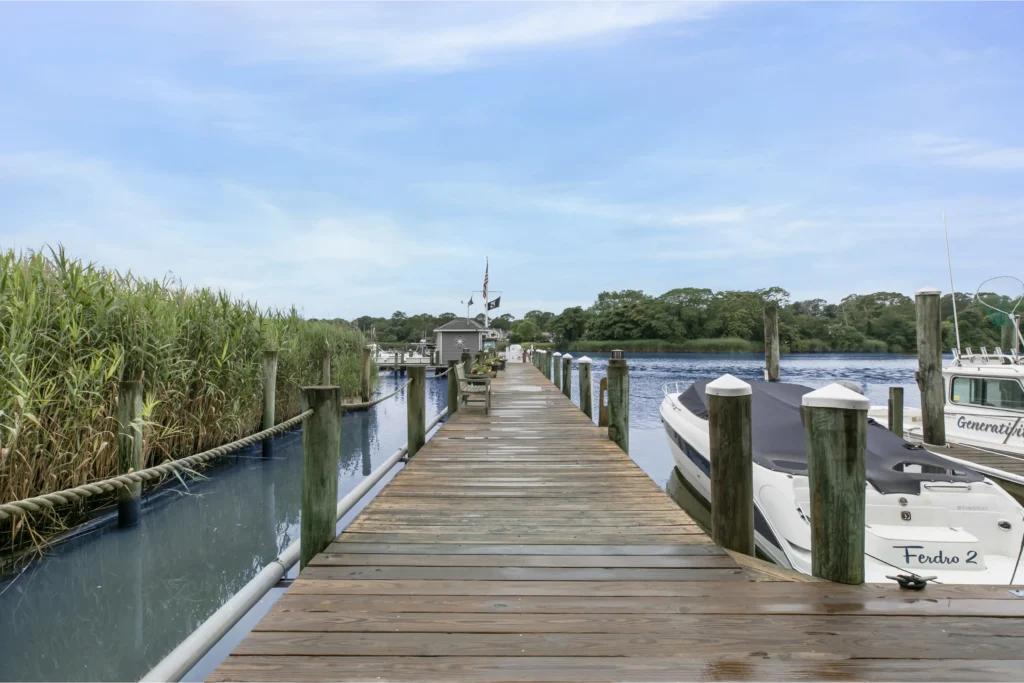
If waterfront living on Long Island sounds like your kind of next chapter, Beechwood at The Waterways is worth a closer look. This gated 55+ community sits along the shores of Moriches Bay in Moriches, NY, offering new construction homes, a private clubhouse, a resort-style waterfront pool, tennis and bocce courts, a private marina, and scenic walking trails, all just minutes from the Hamptons and the North Fork.
Beechwood has been building quality homes across New York for more than 40 years, and The Waterways reflects that commitment to thoughtful design and community. Whether you are just starting to explore your options or getting closer to a decision, the team is happy to answer questions and show you around.
Contact us to learn more or to schedule a tour!
55+ Community FAQs
What is the 80/20 rule in a 55+ community?
The 80/20 rule is a federal housing guideline under the Housing for Older Persons Act (HOPA) that allows a community to qualify as age-restricted if at least 80% of its occupied units have at least one resident aged 55 or older. Individual communities still set their own policies within this framework.
What is the downside of 55+ communities?
The most commonly cited drawbacks are HOA fees that can rise over time, strict rules around guests and pets, and the fact that these communities do not offer medical or assisted living services. For most people, these tradeoffs are manageable and worth understanding before purchasing.
What is the best age to move to a retirement community?
Most people make the move in their late 50s to mid 60s, when they are still active and want to take full advantage of the lifestyle. The right age is ultimately personal and depends on health, finances, and readiness for a change.
Are 55+ communities the same as assisted living?
No. 55+ communities are designed for independent, active adults and do not provide medical care or daily living assistance. If health needs change significantly over time, residents may need to transition to a continuing care retirement community (CCRC) or assisted living facility.
Can grandchildren visit a 55+ community?
Yes, grandchildren can definitely visit, though stays are typically limited to somewhere between 30 and 90 days per year depending on the community’s rules. Guest policies vary, so reviewing the HOA’s CC&Rs before purchasing is always a good idea.